
Warehousing and Distribution Services: A Guide for Importers Near Savannah & Charleston
Nov 4, 2026
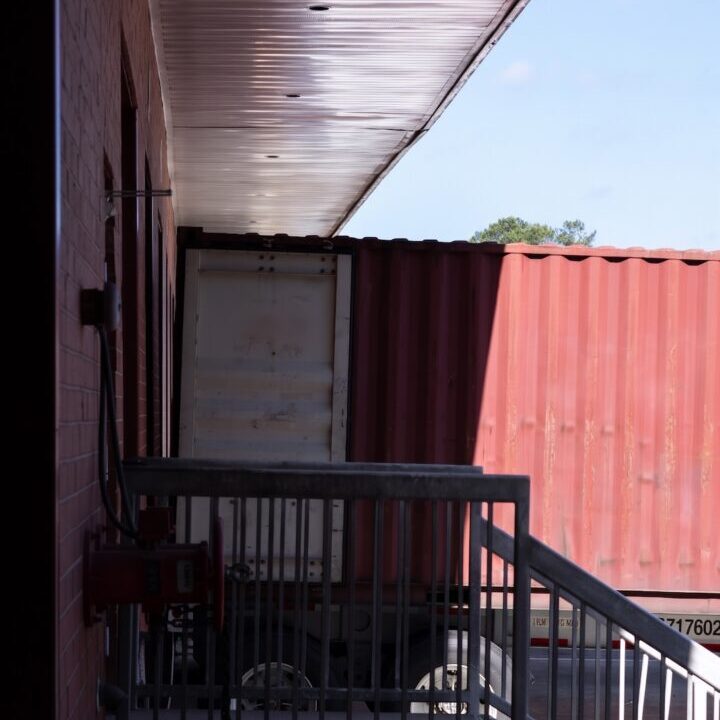
If you’re bringing product in through the Port of Savannah or the Port of Charleston, getting the container onto American soil is only half the job. Then it has to come off the terminal before the fees start, get unloaded and counted, sit somewhere secure, and go back out to your customers in the right quantities at the right time. That second half is where the right warehousing and distribution services make or break your landed cost.
We’ve been running warehouse operations in Atlanta since 1942, and a big share of the freight that comes through our doors started its trip on a ship in Savannah or Charleston. Here’s how we’d think about setting up the import side of your supply chain, from the moment your container is available at the terminal to the moment the last order ships.
What Do Warehousing and Distribution Services Include for Importers?
For importers, warehousing and distribution services cover everything between the port terminal and your customer: receiving and unloading containers, counting and inspecting product, storing inventory, cross docking freight that ships right away, picking and packing orders, kitting, and arranging outbound transportation. A good partner turns a container of mixed cartons into inventory you can actually sell.
Domestic freight usually shows up palletized and labeled. Import freight often doesn’t. Containers are frequently floor-loaded, cartons can be mixed across dozens of SKUs, and the paperwork doesn’t always match what’s inside. That’s why import warehousing leans so heavily on the receiving process. Get that part right and the rest of the operation runs on clean data.
For most of the importers we work with, the core services look like this:
- Container unloading and receiving, including floor-loaded containers
- Counting, inspecting and reporting any overages, shortages or damage
- Palletizing and labeling so product can be stored and picked efficiently
- Cross docking for freight that’s already sold and needs to keep moving
- Storage in dedicated or shared space, plus overflow storage for surges
- Order fulfillment, pick and pack, and kitting for downstream customers
- Outbound transportation to stores, distribution centers, job sites or end customers
Why Do So Many Importers Use Savannah and Charleston?
Savannah and Charleston are two of the busiest container gateways on the East Coast, and both sit close to the fastest-growing population and manufacturing base in the country. Savannah handled about 5.67 million TEUs in fiscal 2026 with roughly 40 weekly ship calls, and Charleston offers the deepest harbor on the East Coast at 52 feet.
For anyone selling into the Southeast, these two ports cut out the long cross-country haul from the West Coast. Savannah in particular has built a deep rail network inland, moving more than half a million containers by rail through its Mason Mega Rail complex in fiscal 2026, and Georgia’s ports have been adding inland rail terminals in North Georgia to get boxes off the highways and closer to where they’re needed.
Having two strong ports within reach also gives you options. When one gets congested, it’s realistic to route around it, as long as your warehouse can receive from either.
Should You Warehouse at the Port or Inland in Atlanta?
Warehousing right next to the port makes sense when freight is heading back out by sea or needs to clear the terminal within hours. Warehousing inland in Atlanta usually makes more sense when your customers are spread across the Southeast, because Atlanta sits at the junction of I-75, I-85 and I-20 and puts much of the eastern U.S. within a day or two by truck.
Port-adjacent warehouse space is great for one thing: getting the container off the terminal fast. The tradeoff is that you’re storing inventory at the edge of the map. Every outbound order then has to travel back through the same region you just crossed. Space near the ports can also get tight, especially when import volumes climb.
Atlanta flips that math. Your container travels about 250 miles from Savannah or about 300 from Charleston one time, and then every outbound shipment starts from the middle of the Southeast instead of the coast.
Plenty of importers end up using both: a quick stop near the port when a vessel arrives late, then Atlanta as the main distribution hub. The point is to decide where your inventory should actually live, not just where the ship happens to dock.
How Do Containers Get From the Port to an Atlanta Warehouse?
Most import containers move from Savannah or Charleston to Atlanta by truck, a trip of roughly four to five hours via I-16 and I-75 from Savannah or I-26 and I-20 from Charleston. For steady, higher-volume programs, rail and intermodal service can cut per-container cost and keep trucks off congested highways, though transit times run longer.
Your choice usually comes down to speed versus cost. Truck delivery gets a container to our dock the same day it leaves the terminal, which matters when you’re racing free time or feeding a production schedule. Intermodal makes more sense when volume is predictable and a couple of extra days in transit won’t hurt.
We coordinate inbound appointments, and can help line up the transportation side through our transportation services, including intermodal, so your container isn’t sitting in limbo between two companies that each think the other one is handling it.
What Should Importers Look for in a Warehousing and Distribution Partner?
Beyond the usual questions on price and space, importers should press a little harder on the parts of the job that are specific to ocean freight:
- Can you unload floor-loaded containers, and how quickly after arrival?
- How do you report overages, shortages and damage, and how fast do I get that report?
- Can you receive from both Savannah and Charleston without changing the process?
- What’s your capacity during peak season, and how much notice do you need for a surge?
- Can I see my inventory in real time, or only through a weekly report?
- Can you cross dock freight that’s already sold, and fulfill orders for what’s stored?
- Who coordinates the handoff between the port and your dock?
A partner who answers these clearly has done import work before. For the broader checklist, see our guide on how to choose the right partner.
Warehousing and Distribution Services in Atlanta for Southeast Importers
Total Warehousing has been in Atlanta since 1942, with more than 600,000 square feet of storage capacity and a location built for receiving freight from the Ports of Savannah and Charleston, along with Jacksonville and Mobile. We handle the full run of warehousing and distribution services importers rely on: container receiving, dedicated and shared storage, overflow storage, cross docking, order fulfillment, pick and pack, sub assembly and kitting, J.I.T. inbound logistics, and value-added services built around your product. When freight needs to move, our transportation services handle it from the same dock.
We’re members of TIA, SWA and IWLA, and our customers can check inventory and order status anytime through our customer portal.
If you’ve got containers coming through Savannah or Charleston and need somewhere reliable to land them, request a quote. Tell us what’s on the water and where it needs to go, and we’ll show you how we’d handle it.
Warehousing and Distribution Services FAQs
What are warehousing and distribution services?
Warehousing and distribution services cover storing inventory and getting it to customers. That includes receiving freight, storing it, managing inventory, picking and packing orders, cross docking and arranging outbound shipping. Importers use them to turn containers arriving at the port into stock that’s ready to sell.
Is it better to warehouse near the Port of Savannah or in Atlanta?
It depends on where your customers are. Port-adjacent warehousing works for re-exports and very fast turns. Atlanta usually works better for distribution across the Southeast, since one inbound trip from the port is followed by shorter outbound trips to most customers via I-75, I-85 and I-20.
How far is Atlanta from the Ports of Savannah and Charleston?
Atlanta is about 250 miles from the Port of Savannah and about 300 miles from the Port of Charleston, roughly four to five hours by truck. Containers can also move inland by rail and intermodal service.
Can a warehouse receive containers from both Savannah and Charleston?
Yes. An inland warehouse in Atlanta can receive containers from Savannah, Charleston and other Southeast ports using the same receiving process, which gives importers flexibility to route around port congestion.
Does Total Warehousing provide warehousing and distribution services for importers?
Yes. Total Warehousing receives import containers at its Atlanta facility and provides storage, overflow space, cross docking, order fulfillment, kitting and transportation, with more than 600,000 square feet of capacity and access to the Ports of Savannah and Charleston.